

 Need Prayer?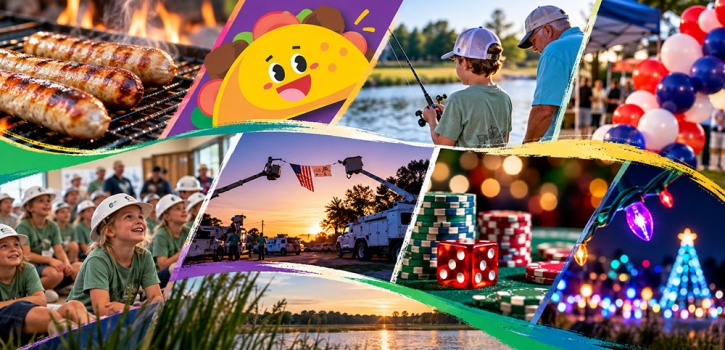
Creative Event Planning
There’s no shortage of events on a co-op communicator’s calendar — annual meetings, member appreciation days, fiber open houses, community events, educational workshops, and everything in between.
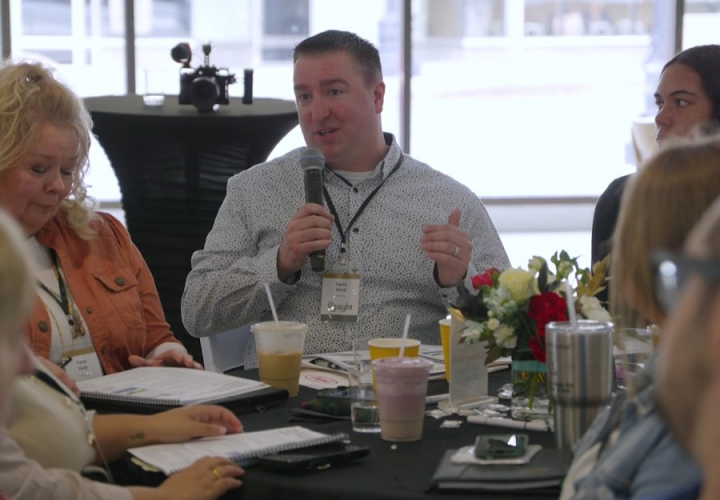
For our September Virtual Roundtables, communicators from across the country came together to compare notes on what’s working, what they’ve learned the hard way, and which ideas the rest of us might want to “admire and acquire.” And they brought plenty.
One of the biggest takeaways: a successful event doesn’t have to be the biggest or most expensive event. Smaller, creative experiences can generate just as much goodwill — and sometimes reach more of the community — when they’re thoughtful, well-promoted, and give members a reason to participate. Roundtable participants also emphasized local partnerships, family-friendly activities, and planning for attendance that can significantly exceed expectations.
1. PLAN: Make the Details Work Before the Event Does
Take a page from our Member Impact Planning Guide workbook. We recommend starting with the basics: a checklist, defined roles, timeline, deadlines, and periodic check-ins.
One practical idea shared during the roundtables was using a project-management board such as Microsoft Planner to create a reusable event template. For recurring events, copy the previous board, reassign tasks, and adjust deadlines instead of rebuilding the process every year. Participants also recommended creating a communications calendar so event messages don’t compete with other cooperative emails.
A tip for when attendance is hard to predict: prepare for more people than you expect. Free, family-friendly events can draw substantially larger crowds than forecast, so build flexibility into food, supplies, volunteers and vendor arrangements.
Ideas to admire and acquire:
- Build reusable event checklists and templates.
- Assign clear owners instead of assuming “someone” has it covered.
- Put promotional sends on the same calendar as your other member communications.
- Have a contingency plan for food, supplies, and staffing.
- Look for community partners who can expand both your event and your reach.
Schools, local police departments, the local Farm Bureau, food trucks, dairy farms, breweries or wineries, and other community organizations were specifically mentioned as partners that can add credibility, activities, and additional audiences.
2. PROMOTE: Meet Members Where They Are
Email and social media are important — but the roundtable conversation was a good reminder that print communication is absolutely alive and kicking.
Participants reported success with bill inserts, letters, and postcards, especially when communicating with older or less-digital members. Personalized postcards to new members can also be an effective way to encourage first-time attendance. One participant mentioned hand writing them (if your hand is up to it and your writing is legible!)
Email and social media can fill events quickly when the message is targeted, while newsletters and community partnerships can expand reach without requiring a large advertising budget.
We recommend using a mix of email, social media, bill inserts, direct mail pieces, and community outreach based on the audience you need to reach.
Ideas to admire and acquire:
- Don’t rely on one communication platform or channel.
- Use print strategically for audiences less likely to respond digitally.
- Add QR codes to postcards and bill inserts for easy online registration.
- Personalize invitations when possible.
- Let schools, community organizations, and other vendor partners help spread the word.
- Give people a specific reason to attend — not simply an announcement that an event exists.
3. ENGAGE: Give Them Something to Remember
Getting members through the door is only part of the job. The next question is: What will make them stay, participate, and remember the experience?
We encourage polls, Q&A opportunities, interactive elements, and employee interaction. Roundtable attendees added plenty of real-world examples.
Event formats shared during the sessions included:
- Member appreciation or open house style events with food, face painting, balloon art, bucket truck rides, and swag.
- Kids’ camps and safety demonstrations, including Touch-a-Truck, table-top safety demonstrations, solar s’mores, and safety trailers.
- Fundraisers and ticketed events, including Dementia Friendly BINGO, golf tournaments, casino nights, raffles, and a C.A.S.T. for Kids fishing derby for kids with special needs.
- Movie nights, fresh peach or pumpkin giveaways, and ribbon cuttings as relatively simple goodwill-building events.
- Road trips and scavenger hunts across several locations with incentives for participation. Participants traded tips for treasure hunt apps.
- Multi-day member appreciation events that spread attendance across several days and locations, rather than concentrating everyone into one large event.
- Make sure your employees know how much you appreciate them with events like take your child to work day, family picnics, or employee appreciation meals and activities.
Participants also talked about smaller “mini-activations” such as photo contests, lineworker appreciation Hope Note stations, candy giveaways, breast cancer awareness month initiatives, and similar touches, which can create memorable interactions without a huge budget.
And don't forget the impact of some thoughtfully-created custom co-op swag.
Some attendee favorites included:
- Branded 5-gallon buckets with a bottom handle
- Utility lineman puzzles
- Charger cables or power banks
- Kid hard hat and other branded promotional gear
- Personalized candy bars or heart-shaped chip clips for Valentine's Day
Larger incentives, such as six months of free internet or bill-credit drawings, were also cited as ways to drive attendance or boost survey response.
The common thread is that it wasn’t necessary to spend more. It was to give people a unique and compelling reason to participate.
4. EVALUATE: Don’t Let the Learning Stop When the Tables Come Down
Our final recommended step is to evaluate your event using surveys, metrics, improvements, and year-to-year trends.
Roundtable participants recommended offering feedback opportunities in more than one format. A combination of paper and emailed surveys can reach members with different preferences, and a small prize drawing or bill credit can increase participation. It’s also a great way to gather current contact information from your members.
Most importantly, ask questions you can actually act on. Instead of simply asking whether attendees enjoyed the event, ask attendees to rate attributes such as:
- Food
- Entertainment
- Activities
- Timing
- Registration
- Venue or logistics
Those responses can help you make tangible decisions about vendors, menus, and event design the next time around.
And success doesn’t always mean attendance alone. Consider what the event was designed to accomplish: awareness, program enrollment, fiber sign-ups, survey participation, community visibility, member education, or simply stronger relationships. (It helps if you can outline these goals before you even get started.)
The Big Takeaway
There isn’t one perfect formula for a successful co-op event.
A packed annual meeting, a neighborhood movie night, a kids’ safety day, and a six-person business roundtable can all be successful for completely different reasons.
The important part is being intentional:
PLAN for the experience you want to create.
PROMOTE it where your audience will actually see it.
ENGAGE people once they arrive.
EVALUATE what worked—and use what you learn next time.
Thanks to everyone who joined our September Virtual Roundtables and generously shared their ideas, examples, and lessons learned.
Sign Up for the Next Virtual Roundtable
Note: We used ChatGPT and Fathom to help create this content.